Practical Interpretation: What This Market Growth Means on Real Jobsites
While market reports highlight strong long-term growth for robotic tile laying systems, contractors are increasingly focused on how these technologies perform in active construction environments today. In indoor floor tiling projects—particularly large-scale commercial applications—consistency and speed remain critical challenges. Manual tile installation is highly dependent on skilled labor and often leads to uneven flatness, rework, and schedule risks when experienced workers are unavailable or stretched across multiple projects.
For many contractors, the question is no longer whether automation will arrive, but how to reduce tile installation labor costs without compromising quality. To address these realities, mature robotic tile laying systems have begun integrating laser navigation, visual recognition, and elevation positioning technologies, enabling autonomous movement and precise placement across large floor areas with minimal manual intervention. One representative solution emerging from this shift is the automated indoor tile installation robot. Designed for full-size ceramic tile installation using mortar-based processes, this type of system integrates adhesive preparation, tile transportation, and placement into a single continuous workflow. Through modular tooling—such as interchangeable flanges—the robot can adapt to multiple tile formats, allowing contractors to deploy one system across varied project requirements. From Technical Capability to Measurable Site Performance On active jobsites, performance is ultimately measured by productivity, finish consistency, and cost control. In large-area indoor applications such as apartments, office buildings, shopping malls, hotels, airports, railway stations, metro systems, and public plazas, automated indoor tile installation systems have demonstrated comprehensive productivity of up to 120 square meters per day—effectively replacing the workload of four to six skilled tile workers. Installation accuracy is tightly controlled, with joint width deviation maintained within 2 mm ± 0.5 mm and tile height differences limited to ± 0.5 mm. This level of consistency significantly reduces hollow spots, rework, and post-installation corrections, enabling smoother inspections and more predictable project acceptance. In practical terms, contractors are able to reduce tile installation labor costs by more than 60%, with equipment investment typically recoverable within approximately one year, depending on utilization.
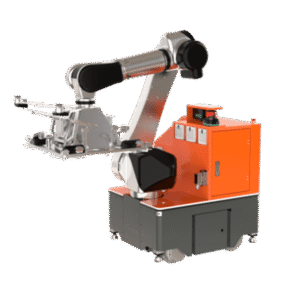
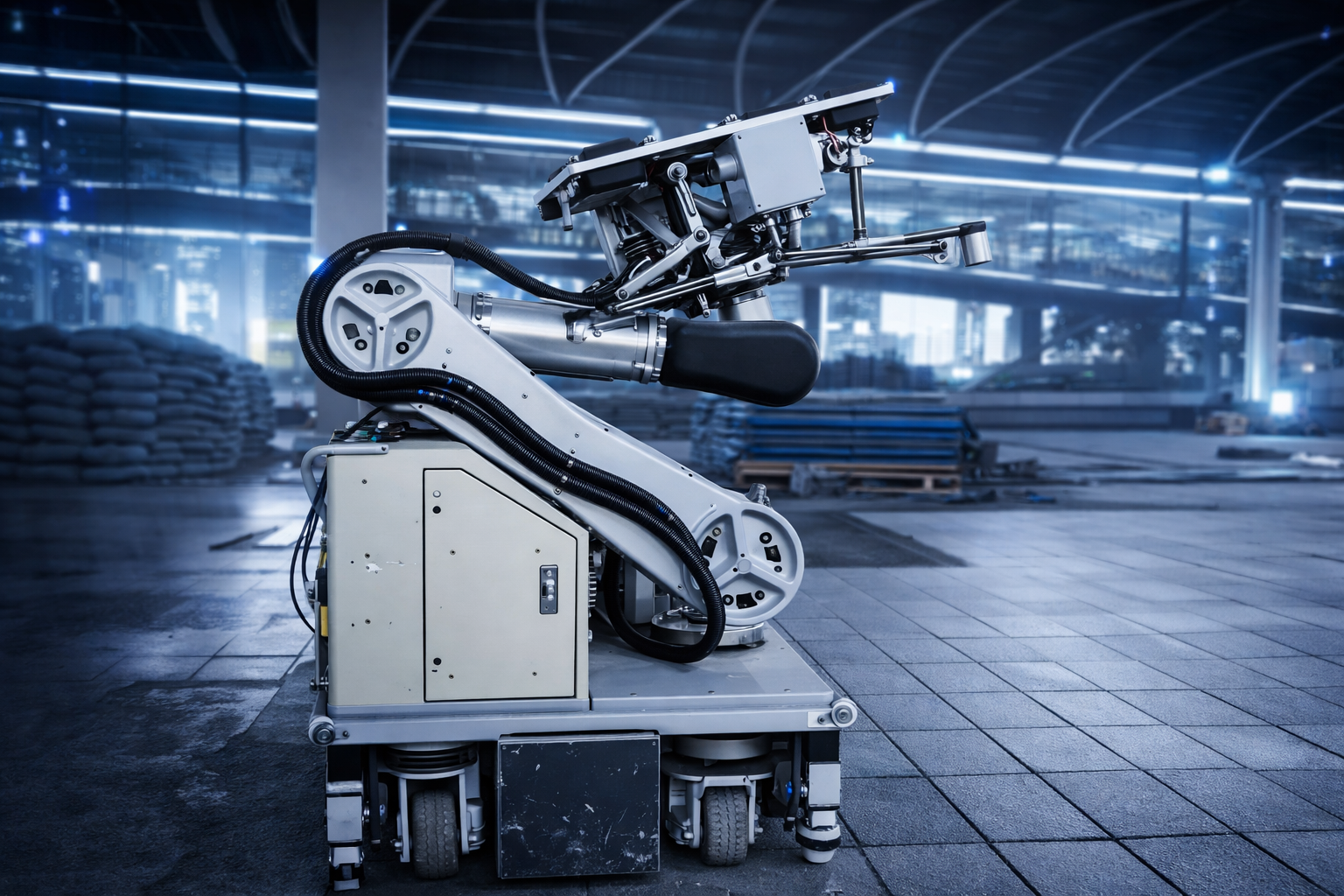
Floor Tile Thin Paving Robot
From a system design perspective, these robots combine lightweight, long-reach, high-payload robotic arms, omnidirectional mobile platforms, dry mortar mixing units, and cement slurry mixing modules. Integrated with coordinated arm and chassis motion control, visual servoing, and SLAM-based navigation, the machines achieve autonomous operation and high-precision installation while remaining compact, mobile, and easy to operate on busy construction sites. Who Is Driving Adoption on Real Projects Behind the growing adoption of automated indoor tile installation is a new generation of intelligent construction solution providers focused on translating robotics technology into practical jobsite value. Rather than offering equipment alone, these providers deliver end-to-end solutions aligned with real construction workflows, ensuring that automation integrates smoothly into existing project execution models.
To lower adoption barriers, flexible business models—including equipment rental, direct sales, and integrated construction service packages—allow contractors to introduce robotic tile installation without restructuring project teams or capital plans. This approach has accelerated deployment across more than 50 cities nationwide, supported by long-term cooperation with leading construction enterprises and joint R&D partnerships with universities specializing in intelligent construction technologies. To date, such solutions have supported over 100 completed construction projects across residential, commercial, and public infrastructure sectors. In parallel with domestic deployment, leading solution providers have also expanded into overseas markets, accelerating the global adoption of construction robotics.
Regional operating entities have been established in Southeast Asia (Singapore), the Middle East (United Arab Emirates), Europe (Russia), and Australia to support localized sales, delivery, and market operations. This international expansion is underpinned by verified large-scale applications. In April 2024, a tile-laying robot was deployed at the Shanghai Songjiang South Railway Station project, covering approximately 40,000 square meters. In March 2025, a stone tile installation robot was applied to the Guangzhou–Shenzhen Intercity Railway project, with a total tiled area of 73,000 square meters. Together, these projects illustrate not only technical maturity, but also the scalability and adaptability of robotic tile installation systems across major transportation and public infrastructure environments. From Market Forecasts to Contractor Decision-Making As the global robotic ceramic tile laying market continues to expand toward multi-billion-dollar scale, adoption is no longer driven solely by future projections.
For many contractors, robotic tile laying for large commercial floors has become a practical response to present-day construction pressures—addressing labor shortages, stabilizing quality, and delivering predictable installation outcomes. Rather than experimental equipment, automated indoor tile installation systems are increasingly viewed as reliable jobsite tools that help contractors maintain schedule certainty, control costs, and scale execution capacity in an evolving construction landscape.
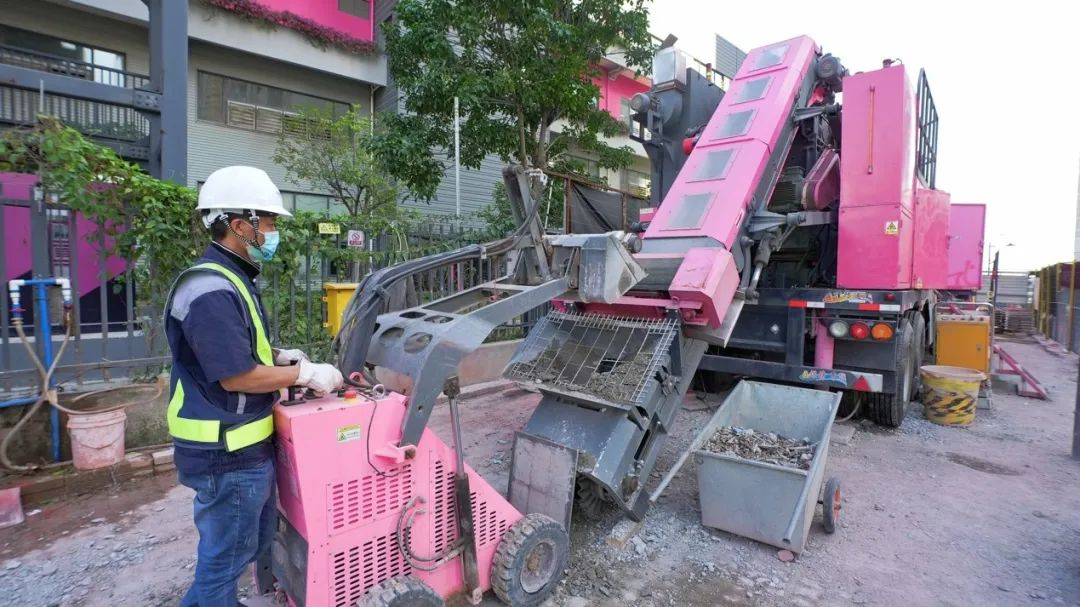
 When robots enter construction sites and become 'new workers'